Ramadan is still the most important month on the media calendar in Saudi Arabia and across the Gulf. In KSA alone, brands increase their advertising spend by an estimated 30–40% during the month, with TV and digital usage peaking between iftar and suhoor. Across the wider GCC, consumers report spending more time on video, social, and commerce platforms during Ramadan than at any other time of year. media+3
Most large brands in the region are getting many things visually right. Where many still see room for improvement is sound. When Ipsos and YouGov asked audiences in Saudi Arabia and the UAE what made Ramadan campaigns feel authentic, people first cited local culture, a faith-aligned tone, and a family mood, while price-led offers scored lower. That is exactly where audio either supports the work or quietly undermines it. yougov+1
The lessons below come from campaigns in Saudi Arabia, Kuwait, the UAE, Qatar, and Bahrain. They are not a list of failures to point fingers at. They are patterns your team can use to stress-test Ramadan 2026 before production.
Audio decisions that weakened recall
1. Music that could run in any month
In 2025, many Gulf campaigns reused high-energy retail tracks, Western-style arrangements, or year‑round brand beds without adapting them for Ramadan. They worked technically, but they did not reflect the calm of pre‑iftar, the relief of breaking fast, or the stillness of late-night viewing.
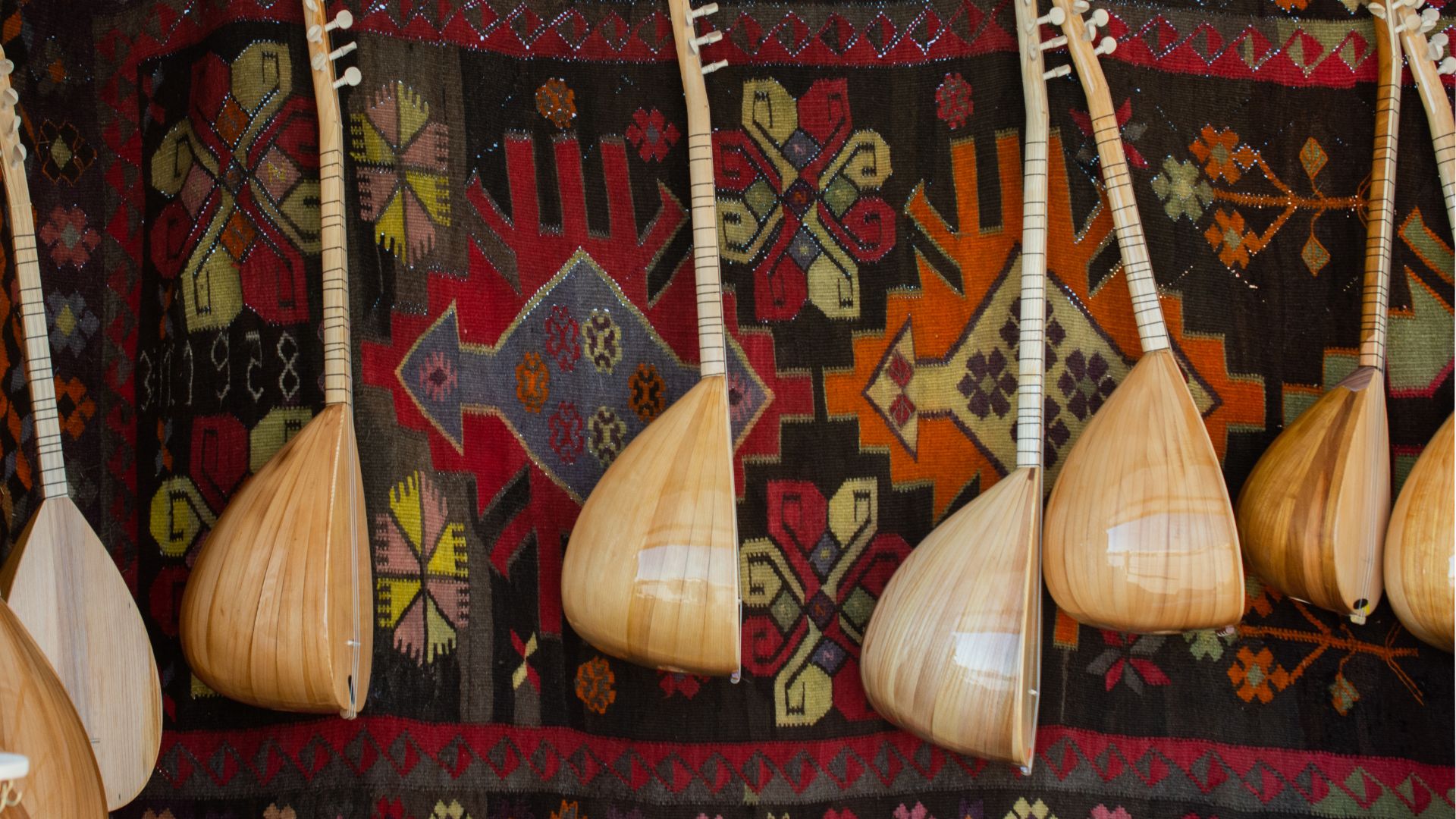
Practical move for 2026: Brief your composer for a Ramadan variation of your sound, not a completely unrelated track. Soft strings, gentle oud lines, and warm pads are often a better starting point than heavy drums. If you operate across KSA, UAE, and Kuwait, work with a team that knows how to keep the same sonic DNA while adapting feel by market. [ipsos]
2. Inconsistent sound across channels
Some brands sounded like three different companies across TV, social, radio, and in-store. Different music, different voices, different taglines. In a month where everyone is competing for the same evening attention, that lack of consistency made it harder for campaigns to add up in people’s minds.
Practical move: Build a modular Ramadan audio kit: one main theme, a short logo sting, loopable beds for long-form and call centers, and lighter mixes for reflective scenes. Use it everywhere from TVCs to social cutdowns and app sound.
3. Neutral voice-overs that felt “from nowhere”
Neutral or non-GCC-Arabic-reading texts were still common in 2025. They aren’t offensive, but they create distance. In KSA, people notice when a voice sounds closer to Levantine or North African speech than to Saudi or Khaleeji speech. The same applies in Kuwait, Qatar, and the Emirates.
Practical move: Decide your dialect map in advance. For Saudi‑first campaigns, choose Saudi voices. For pan‑GCC work, use a balanced Khaleeji tone that feels natural in Riyadh, Dubai, Kuwait City, and Doha. Keep your casting and delivery rules in the brief so they are applied consistently across formats.
4. Music that competed with the mood of the month
Several campaigns focused heavily on prizes, offers, and high-energy storytelling with soundtracks that left no space to breathe. During Ramadan, that can feel like noise rather than support.
Practical move: Treat silence as part of your sound design. Around scenes of prayer, family, or reflection, strip the mix back. Use lighter arrangements for pre‑iftar and more dynamic ones for late-night entertainment slots.
Planning choices that limited the work
5. Late briefs to audio teams
Steady Pace’s 2025 study showed that 39% of Saudi consumers start Ramadan shopping in the last week before the month begins, and another 33% in the first week of the month. Yet many brands briefed music and sound after picture lock, when timelines were already under pressure. [steadypace]
Practical move: Put audio into your first Ramadan planning meeting, not the last. Define the emotional role of sound, set cultural boundaries, and secure an early slot with your audio partner. It’s much easier to refine a strong direction than to rescue a rushed track.
6. Over‑commercial tone
Across KSA and the wider GCC, viewers responded best to campaigns that balanced offers with a sense of gratitude, family, and community. Heavy promo‑only scripts with constant price cues created fatigue. yougov+1
Practical move: Decide on one emotional anchor for the month: reassurance, generosity, togetherness, or calm. Use it as the filter for both script and sound. When the copy takes a breath, the music can carry the feeling instead of shouting the message.
7. Generic “Ramadan template” messaging
Some campaigns relied on interchangeable Ramadan slogans and stock imagery. Paired with generic music, this made large investments easy to forget.
Practical move: Anchor your concept in something specific: supporting a particular community, highlighting a real Ramadan ritual, or addressing a real tension (like managing time, travel, or generosity). Then let the audio reflect that specific story, not a generic “holy month” preset.
8. Channel plans without a shared audio thread
In 2025, it was common to see TV handled by one agency, social by another, and in‑store or call centers managed internally, each making separate sound decisions. The audience experiences one brand, not three.
Practical move: Treat sound as its own workstream with shared ownership across agencies. Align on one Ramadan theme and sonic logo before any film goes into edit. Give each team access to the same stems and mix references.
Cultural details that made a difference
9. Same track, all day
Listening moods during Ramadan change throughout the day in Saudi Arabia, the UAE, Kuwait, Qatar, and Bahrain. Fasting hours, iftar, taraweeh, and late-night gatherings each call for different energy.
Practical move: Define three or four “moments” relevant to your category (for example, pre‑iftar rush, family iftar, post‑taraweeh TV, late‑night scrolling) and plan audio variations for each. You can keep the same theme while shifting tempo, density, and instrumentation.
10. Celebrity voices that felt distant
YouGov’s 2026 snapshot found that, across Saudi Arabia and the UAE, people associated authenticity more with local culture and heritage than with influencer presence. Some celebrity‑led campaigns were noticed but not necessarily trusted. [yougov]
Practical move: If you use a well‑known voice, cast them for warmth and credibility, not just recognition. Let the performance feel like a genuine reflection of the month, not a performance layered on top of it.
11. Religious cues are used too loosely
A few campaigns across the region leaned into nasheed styles or religious phrasing, which some viewers felt was too commercial. Even minor missteps in this area travel fast on social.
Practical move: Create a short “religious proximity” guideline that defines what you will and won’t do with recitation‑like textures, nasheed‑style vocals, and Qur’anic or duaa references. Share it with every agency and partner so no one experiments on air.
12. Humor that didn’t match the moment
Light humor can work well after iftar, especially in entertainment and telecom. Jokes built on overeating, tiredness, or stereotypes around worship can feel off in any Gulf market.
Practical move: Use a Ramadan review grid that includes a simple yes/no column for humor type, timing, and context. Run scripts and sound ideas through it before production, not after.
Production shortcuts that audiences noticed
13. Re‑using last year’s track with minor edits
Viewers in Saudi Arabia and the wider GCC have a sharp recall during Ramadan because they are exposed to many campaigns in a short time. Recycled audio, even with tweaks, stood out.
Practical move: If you have a strong existing Ramadan theme, build a new arrangement around it. Change the tempo, instrumentation, and structure while keeping the recognisable core, just as you would evolve a visual identity.
14. Mixes that worked on TV but not on mobile
Some tracks sounded rich on broadcast but thin on phones, where a large share of Ramadan viewing now happens in KSA and the UAE. appsflyer+1
Practical move: Mix specifically for digital in addition to TV. Test on real phones with typical volume levels and ambient noise, especially for skippable formats where you have seconds to make an impression.
15. Long intros on short‑attention platforms
A 10‑second build may work on TV, but it loses people on LinkedIn, Instagram, or YouTube pre‑roll.
Practical move: Lead with your sonic logo or main hook in the first 2–3 seconds in all digital placements. Keep the longer arc for channels where you own the full viewing window.
16. One audio version for all GCC markets
Some Saudi‑led campaigns used the same VO and mix in the Emirates, Kuwait, Qatar, and Bahrain. It wasn’t wrong; it just missed a chance to feel closer to people in each market.
Practical move: Keep your music and sonic identity consistent, but record alternate VO takes for key markets. Slight adjustments in phrasing, delivery, and accent can improve relevance without fragmenting the brand.
Where measurement fell short
17. No dedicated audio review after Ramadan
Most brands looked at GRPs, impressions, and sales lift. Few set aside time to listen to their own audio assets with fresh ears and ask whether they really sound like the brand intended.
Practical move: Two weeks after Ramadan, gather your marketing, creative, and CX leads for a one‑hour listening session. Play your main films, radio, and in‑store audio without picture and score them simply on: Ramadan fit, brand clarity, cultural comfort, and channel fit.
18. Missing input from customer‑facing teams
Branch staff, call centers, and retail teams in KSA, Kuwait, and the Emirates often hear informal comments about ads and in‑store music. Those insights rarely reach the brief.
Practical move: Use a short survey for internal teams during Ramadan, asking three open questions: which campaign moments customers mentioned, which sounds felt “too much,” and which ones people liked. It’s simple, but it surfaces patterns dashboards can’t.
19. Testing without boundaries
A few brands experimented with faster or more unconventional music during Ramadan, which is healthy, but did so without shared guardrails. In some cases, internal teams only flagged concerns after assets had already gone live.
Practical move: Before testing, align on a “do not cross” list for audio: banned sound types, off‑limit lyrics, and unacceptable levels of intensity near religious themes. Then define which variables you can test safely, like tempo, mix density, or VO pacing.
20. Learning not captured in one place
Even when teams discussed what worked and what didn’t, the insights stayed in presentations or emails and disappeared before the next planning cycle.
Practical move: Turn this year’s learning into a Ramadan audio playbook:
- What consistently worked (tones, instruments, delivery styles)
- What to avoid next year
- Channel‑specific notes for KSA vs UAE vs Kuwait, where relevant
Make this document part of every brief you send to agencies and audio partners.
Turning lessons into an advantage for 2026
If your 2025 Ramadan work in Saudi Arabia or the wider GCC felt “good, but not distinctive,” that’s normal. Most brands are still catching up to the fact that sound has become central across TV, apps, social, and in‑store.
The advantage goes to teams that treat audio as a core part of their brand system rather than a last‑minute layer. That means:
- Locking cultural and sonic direction early
- Building a modular Ramadan sound kit that works from TV to app UX
- Aligning all agencies on one shared audio language
- Reviewing performance with ears first, dashboards second
If you want to pressure‑test your Ramadan 2026 plan for Saudi Arabia, Kuwait, the UAE, Qatar, or Bahrain, now is the time to do so, before production schedules close.
Explore how a dedicated sonic branding framework can sit alongside your visual identity at:
Or speak with the team about building a Ramadan‑ready audio system for your brand.
.jpg)

.svg)

.svg)
.jpg)
.jpg)
.jpg)
.jpg)
.jpg)
.jpg)
.jpg)
.jpg)
.jpg)
.jpg)
.jpg)
.jpg)
.jpg)




.jpg)



.png)
.png)
.png)
.png)
.png)
.png)
.png)
.png)
.png)
.png)
.png)
.png)
.png)
.png)
.avif)
.jpg)
.png)
.png)
.png)
.png)

.png)




.png)
.png)
.png)
.png)
.png)
.png)
.jpg)
.jpg)
.jpg)
.jpg)
.jpg)
.jpg)
.jpg)
.jpg)
.jpg)
.jpg)
.jpg)
.jpg)
.jpg)
.jpg)

.png)
.jpg)
.jpg)

.png)
.png)


.png)
.png)


.png)
.jpg)
.jpg)
.jpg)

.jpg)
.png)

.svg)
.svg)


.svg)
.svg)

.svg)


.svg)