From mobile apps to retail spaces and advertising campaigns, sound is now a core part of the brand experience. Every notification, background track, and interaction tone shapes how people perceive a brand.
Today, what people hear is becoming just as important as what they see.
As brands across Saudi Arabia and the GCC accelerate their digital transformation, audio branding is no longer optional. It is becoming a core part of how brands build recognition, trust, and emotional connection.
What Is Sonic Branding?
Sonic branding, also known as audio branding, is the strategic use of sound to define how a brand is experienced.
It goes beyond music. It includes every sound a brand creates and controls across its ecosystem.
This includes:
- Sonic logos
- Brand music systems
- App and product sounds
- Campaign audio
- Voice and tone
When done properly, sonic branding creates a consistent and recognizable sound identity across every touchpoint.
Every Brand Already Has a Sound
Whether intentional or not, every brand already produces sound.
A payment confirmation
An app notification
Music in a store
Audio in a campaign
These moments define how users experience a brand on a daily basis.
The problem is that in many organizations, these sounds are created in isolation. Different teams produce different assets without alignment, leading to inconsistency and fragmentation.
This is where sonic branding becomes critical.
Just like visual identity systems, brands need structured audio branding strategies that define how they sound across every touchpoint.
At MusicGrid, we’ve seen this firsthand across projects like ZATCA's Sonic Identity, where aligning sound across platforms helped create a more unified and authoritative brand experience.
From Sound to System
Sonic branding is not just a logo or a jingle.
It is a system that includes:
- A sonic logo
- A core musical DNA
- UX and interface sounds
- Voice direction
- Campaign and content audio
When these elements are designed together, they create a scalable and recognizable brand presence.
This system-based approach allows brands to expand across platforms without losing consistency.
For example, in projects like Jahez's famous delivery notification, a single sonic idea scaled across millions of user interactions while maintaining strong recall and cultural relevance.
Why Sound Builds Stronger Brand Recall
One of the biggest advantages of sound is speed.
Sound reaches emotion almost instantly. It interacts directly with memory and feeling, allowing brands to create deeper and more immediate connections with audiences.
This is why a short melody can trigger brand recall in seconds.
In many cases, people remember what they hear before what they see.
For brands competing in crowded digital environments, this creates a powerful advantage.
The Rise of Audio in the Digital Economy
The shift toward audio branding is driven by how people interact with brands today.
We now live in an audio-first environment:
- Social media is video-first
- Streaming platforms dominate attention
- Voice interfaces are growing
- Notifications shape daily behavior
In many cases, users interact with brands without even looking at a screen.
This means visual identity alone is no longer enough.
Brands must think about how they sound across the entire customer journey.
Sonic Branding in Saudi Arabia and the GCC
Sonic branding in Saudi Arabia and across the GCC is entering a major growth phase.
With increasing investment in:
- Fintech and banking
- Government platforms
- Retail and physical environments
- Entertainment and large-scale experiences
Sound is becoming a key differentiator.
However, the region requires a specific approach.
Each market in the GCC has its own cultural nuance. What feels modern, premium, or emotionally engaging in one country may not translate the same way in another.
This is why sonic branding in the region must balance:
- Cultural relevance
- Modern production
- Strategic consistency
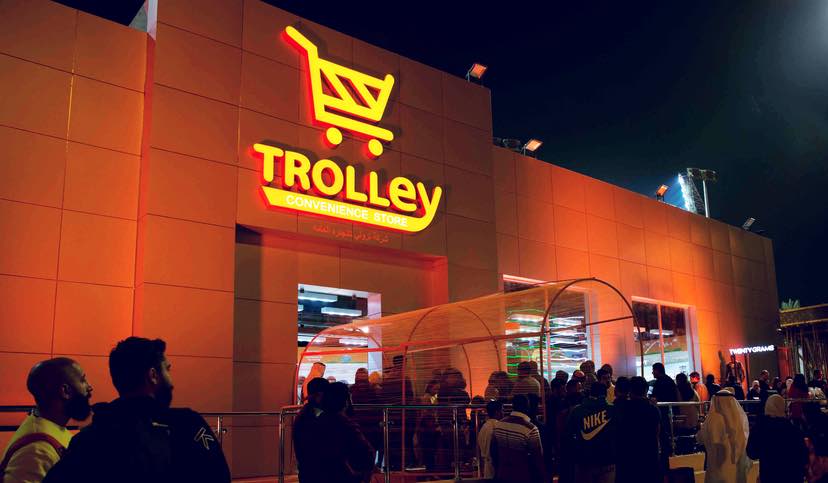
Through our work across Saudi Arabia and the GCC, including Trolley's Sonic Identity and Orchestral Launch, we’ve seen that brands that invest in culturally grounded sound build stronger emotional connection and long-term recognition.
Final Thought
Every brand already has a sound.
The question is not whether sound exists, it’s whether it is intentional.
Brands that design their sound strategically will not only be heard more clearly.
They will be remembered.
This article was originally published on Sharikat Mubasher. This version has been adapted for MusicGrid. You can read the original version here.
.jpg)

.svg)

.svg)
.jpg)
.jpg)
.jpg)
.jpg)
.jpg)
.jpg)
.jpg)
.jpg)
.jpg)
.jpg)
.jpg)
.jpg)
.jpg)
.jpg)





.png)
.png)
.png)
.png)
.png)
.png)
.png)
.png)
.png)
.png)
.png)
.png)
.png)
.png)
.avif)
.jpg)
.jpg)

.png)
.png)
.png)

.png)

.png)








.png)
.png)
.png)
.png)
.png)
.png)
.jpg)
.jpg)
.jpg)
.jpg)
.jpg)
.jpg)

.jpg)
.jpg)
.jpg)
.jpg)
.jpg)
.jpg)
.jpg)
.jpg)

.png)
.jpg)

.jpg)

.png)
.png)


.png)
.png)


.png)
.jpg)
.jpg)
.jpg)

.jpg)

.svg)
.svg)


.svg)
.svg)

.svg)


.svg)