Brands can use trending music in Reels and TikTok ads when the permissions covering that specific use are in place. A track appearing in a platform's music browsing interface does not automatically mean it is cleared for advertising, paid promotion, third-party creator content, or campaign distribution across other channels.
Availability and permission are not the same thing.
The gap becomes particularly important when a team wants to boost organic content as a paid advertisement, when a brand receives creator content and wants to repurpose it in a campaign, or when a campaign moves beyond its original platform.
Why Available Music Is Not Always Advertising Music
When a social media team publishes an organic video, the platform's music library makes thousands of tracks accessible.
That accessibility can create an assumption: if the music worked for the original post, it should work for the paid campaign.
That assumption does not always hold.
Platforms distinguish between personal content, branded organic content, and paid promotion. The rights granted for one category do not automatically extend to another.
A track cleared for one type of content may carry different conditions once the same video becomes an advertisement, is served through paid targeting, or is distributed on another platform.
The important question is not simply whether the music is available, but whether the license specifically covers the intended commercial use.
What TikTok Says About Commercial Music
TikTok provides a Commercial Music Library specifically for content promoting brands, products, and services.
Its official guidance directs businesses toward music cleared for commercial use rather than assuming that every sound available through the general platform interface can be used in advertising.
For music outside the Commercial Music Library, brands are responsible for confirming that the necessary permissions have been obtained.
One particularly important distinction concerns audio labelled as "original sound."
An original sound on TikTok does not necessarily mean the uploader owns the music or that the audio is free of third-party copyright restrictions.
It describes how audio was uploaded to the platform, not necessarily its underlying rights status.
Before using such audio in a commercial campaign, brands should confirm the source, ownership, and applicable permissions.
TikTok's official commercial music guidance should be consulted when planning campaign use.
What Meta Offers for Advertising Music
Meta offers Sound Collection as a source of audio for eligible commercial content and advertising uses within its ecosystem.
This provides brands with an option for producing certain advertising content without commissioning original music for every execution.
However, this does not mean every track can be exported and reused across all media.
A soundtrack permitted for an eligible Meta advertising placement may not automatically be licensed for television, live events, websites, or campaigns distributed through other platforms.
Similarly, music available through Instagram's general browsing interface should not be assumed to carry the same commercial permissions as music specifically cleared for advertising.
Brands should verify both the source of the track and the precise rights that apply to the intended content.
Meta's official business guidance provides information about advertising music and eligible uses.
Four Moments When Brands Should Recheck Music Permissions
There are four particularly important situations in which brands should verify music rights.
1. Turning an organic video into a paid advertisement
Music that was acceptable in an organic post may not be licensed for paid promotion.
Before boosting a video, confirm whether the music is cleared for advertising on the intended platform.
2. Using creator content in a brand campaign
When an influencer or content creator delivers a video containing trending music, the brand should not automatically assume it has the same rights as the creator.
The creator's permissions may not extend to the company's commercial campaign, particularly when paid advertising or additional distribution is involved.
3. Moving content between platforms
A soundtrack licensed for commercial use on TikTok may not carry equivalent permissions on Instagram, YouTube, or another platform.
Each destination needs to be assessed against the relevant license.
4. Extending a campaign into television, events, or other media
A campaign that begins on social media may eventually appear on television, event screens, retail displays, or other advertising channels.
These additional uses may require broader licensing permissions.
Planning the full distribution scope before production begins helps reduce the risk of replacing music after the campaign is already underway.
Three Music Options for Brand Campaigns
Brands generally have three routes when selecting music for advertising.
Platform commercial music libraries
These can be practical when producing content for eligible placements within a particular platform.
Before selecting a track, verify the current licensing terms, approved placements, and whether paid promotion is covered.
Separately licensed music
An existing song or recording may be licensed directly from the relevant rights holders or through an authorized licensing provider.
Brands should establish the permitted media, territories, campaign duration, editing permissions, and other relevant conditions.
Commissioned original music
Original music is composed specifically for the brand or campaign.
This may be appropriate when the company wants a distinctive soundtrack, requires multiple versions, or expects to use the music across different platforms and markets.
The agreement should address composition and recording rights, contributor permissions, third-party samples, and future reuse.
Commissioned music may offer greater creative flexibility, but the rights granted still depend on the contract.
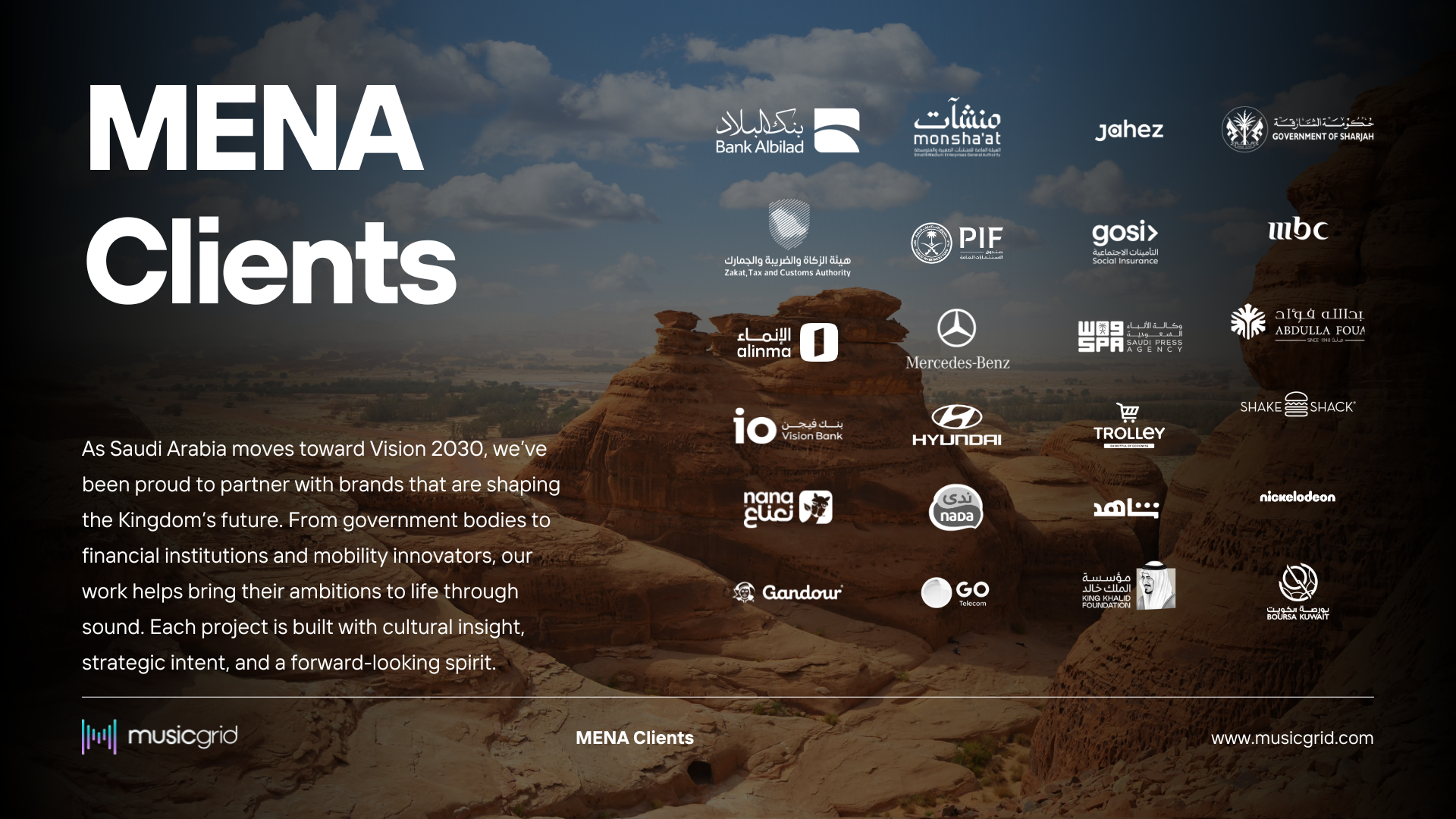
MusicGrid's work with brands such as Shake Shack and Nana demonstrates the importance of considering different campaign formats and applications during music production.
Examples of MusicGrid's branded music work can be explored through our project portfolio.
A Music Approval Checklist for Marketing Teams
Before publishing branded content using music, the marketing team should be able to confirm the following:
- Track title and version: Identify the exact recording being used.
- Music source: Establish whether the track comes from a platform library, separate license, or original commission.
- Rights documentation: Record where the relevant permissions are documented.
- Organic use: Confirm whether the music is cleared for the intended branded organic content.
- Paid advertising: Verify whether paid promotion is expressly permitted.
- Platforms: Identify every platform included in the licensing agreement.
- Territories: Confirm which countries the permissions cover.
- Duration: Check whether the license expires.
- Creator permissions: Confirm that any creator-provided audio can be reused by the brand.
- Editing permissions: Check whether the music may be shortened, looped, remixed, or adapted.
- Approval responsibility: Identify who reviewed and approved the rights before publication.
This checklist does not need to be complicated.
It should simply provide a consistent process that marketing teams and agency partners can follow before campaigns go live.
Why This Matters to Saudi and GCC Campaign Teams
Consider a Saudi retail brand preparing a campaign with Arabic and English video versions, influencer content, paid Reels, TikTok advertisements, and an event activation.
If the team selects music only for the organic social media post, it may later discover that the track is not cleared for paid promotion or additional campaign formats.
At that stage, the brand may need to replace the music across its campaign assets or use different tracks for different channels.
Both outcomes can disrupt production and reduce consistency.
A more effective approach is to plan the music around the full campaign distribution strategy from the beginning.
This is particularly relevant for organizations operating across multiple GCC markets, where content may require different languages, territories, and media applications.
When Original Music Is Worth Considering
Platform music libraries can be practical for many campaigns.
When the content is limited to eligible placements within one platform, the timeline is short, and the brand does not require a distinctive musical identity, a properly licensed library track may be sufficient.
Original music becomes particularly valuable when:
- The campaign spans several platforms or media formats.
- The soundtrack needs to reflect a specific brand personality.
- Cultural or regional musical considerations are important.
- The brand requires multiple edits or language versions.
- The music may be reused in future campaigns.
- The company wants greater control over the creative direction.
These are considerations rather than requirements for every campaign.
The right solution depends on the brand's objectives, production needs, and distribution plans.
Frequently Asked Questions
- Can a business use trending music on Instagram? It depends on the specific track, content type, and applicable permissions. Music available for personal use should not automatically be assumed to be cleared for commercial advertising.
- Can brands use TikTok sounds in paid advertisements? Brands should use music cleared for the relevant commercial application or obtain the necessary permissions from rights holders.
- Does original audio mean the brand owns the music? No. A platform's original-audio label does not establish ownership or commercial usage rights.
- Does royalty-free music mean there are no restrictions? No. Royalty-free music remains subject to the conditions of its license.
- Can the same soundtrack be used on TikTok and Instagram? Only when the relevant permissions cover both platforms and the intended uses.
- What should a brand check before boosting a video? Confirm the music source, paid advertising permissions, territories, platform requirements, and any relevant creator rights.
Music should support a campaign's creative direction without creating unnecessary licensing complications.
When planning an advertising campaign across multiple formats, consider the music requirements early.
MusicGrid provides original music production for advertising and branded campaigns, helping brands develop soundtracks around their creative, production, and distribution needs.
.jpg)

.svg)

.svg)
.jpg)
.jpg)
.jpg)
.jpg)
.jpg)
.jpg)
.jpg)
.jpg)
.jpg)
.jpg)
.jpg)
.jpg)
.jpg)
.jpg)




.jpg)



.png)
.png)
.png)
.png)
.png)
.png)
.png)
.png)
.png)
.png)
.png)
.png)
.png)
.png)
.avif)
.jpg)
.jpg)

.png)
.png)

.png)

.png)

.png)








.png)
.png)
.png)
.png)
.png)
.png)

.jpg)
.jpg)
.jpg)
.jpg)
.jpg)
.jpg)

.jpg)
.jpg)
.jpg)
.jpg)
.jpg)
.jpg)
.jpg)
.jpg)

.png)
.jpg)

.jpg)

.png)
.png)


.png)
.png)


.png)
.jpg)
.jpg)
.jpg)


.svg)
.svg)


.svg)
.svg)

.svg)


.svg)