A sonic logo may last only a few seconds, but developing one involves considerably more than composing a short melody.
For brands considering sonic identity, one of the first questions is often about cost. How much should a company expect to invest in a professionally designed sonic logo?
The answer depends on what the business needs, how the sound will be developed, and where it will be used.
What Determines the Cost of a Sonic Logo?
Sonic logo pricing is influenced by several factors, including brand strategy, creative development, production complexity, and usage rights.
A standalone audio signature for a single campaign is different from a sonic logo designed to become a recognizable brand asset across television, digital platforms, mobile applications, and customer experiences.
The more strategic and adaptable the deliverable, the more extensive the development process is likely to be.
Key pricing considerations include:
- Brand research: Understanding the company's positioning, personality, audience, and competitors.
- Creative development: Exploring musical directions and translating brand attributes into sound.
- Original composition: Developing a distinctive melody or audio signature.
- Production: Recording, sound design, mixing, and mastering.
- Testing: Evaluating whether the sound communicates the intended brand characteristics.
- Adaptations: Creating variations for different platforms and applications.
- Intellectual property: Establishing ownership, licensing, and future usage rights.
Is a Sonic Logo the Same as a Sonic Identity?
No. A sonic logo is one component of a broader sonic identity.
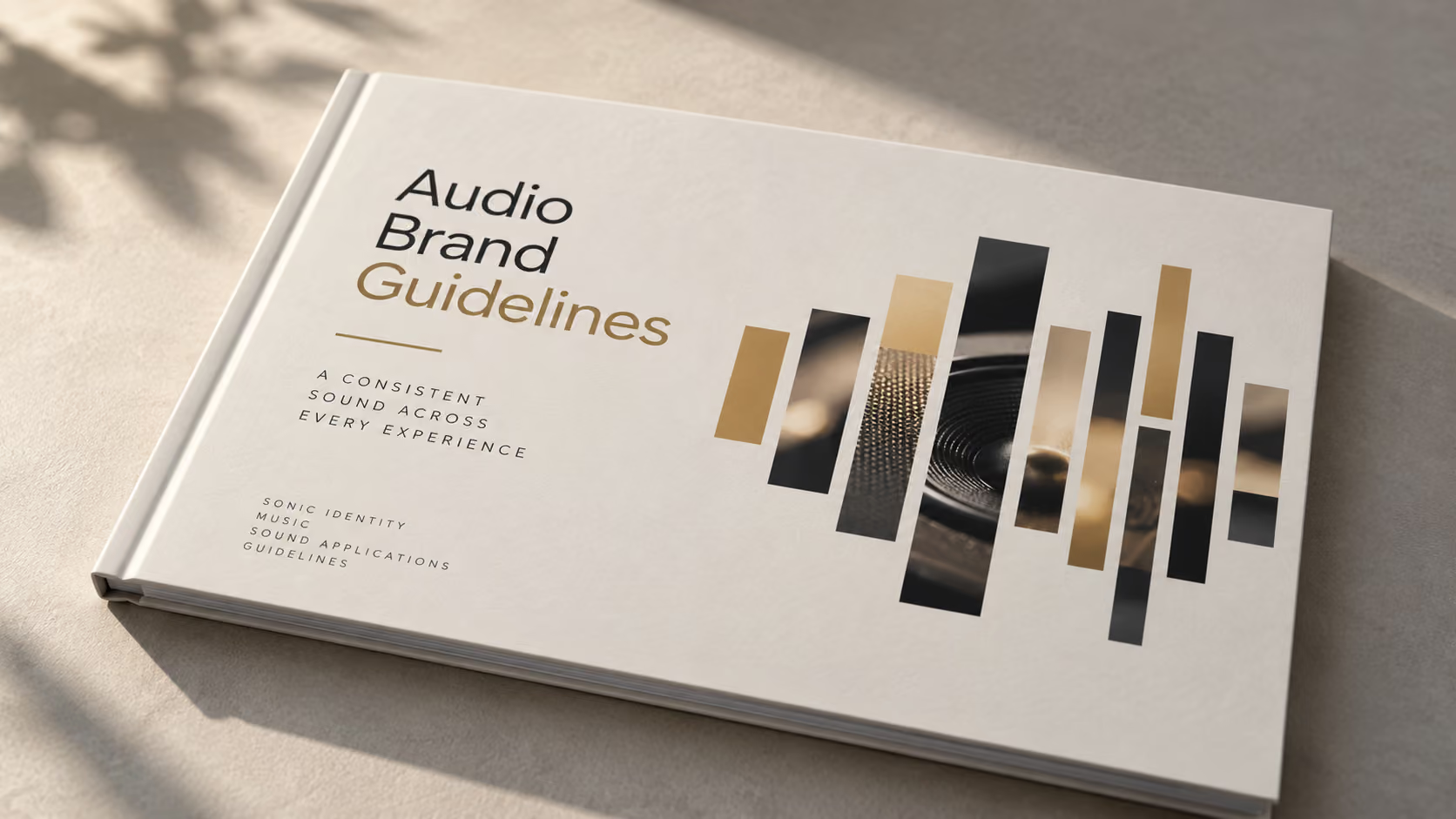
A sonic logo is typically a short audio signature that represents a brand. A sonic identity is a structured system that may include a master musical composition, campaign adaptations, customer experience sounds, and guidelines for consistent implementation.
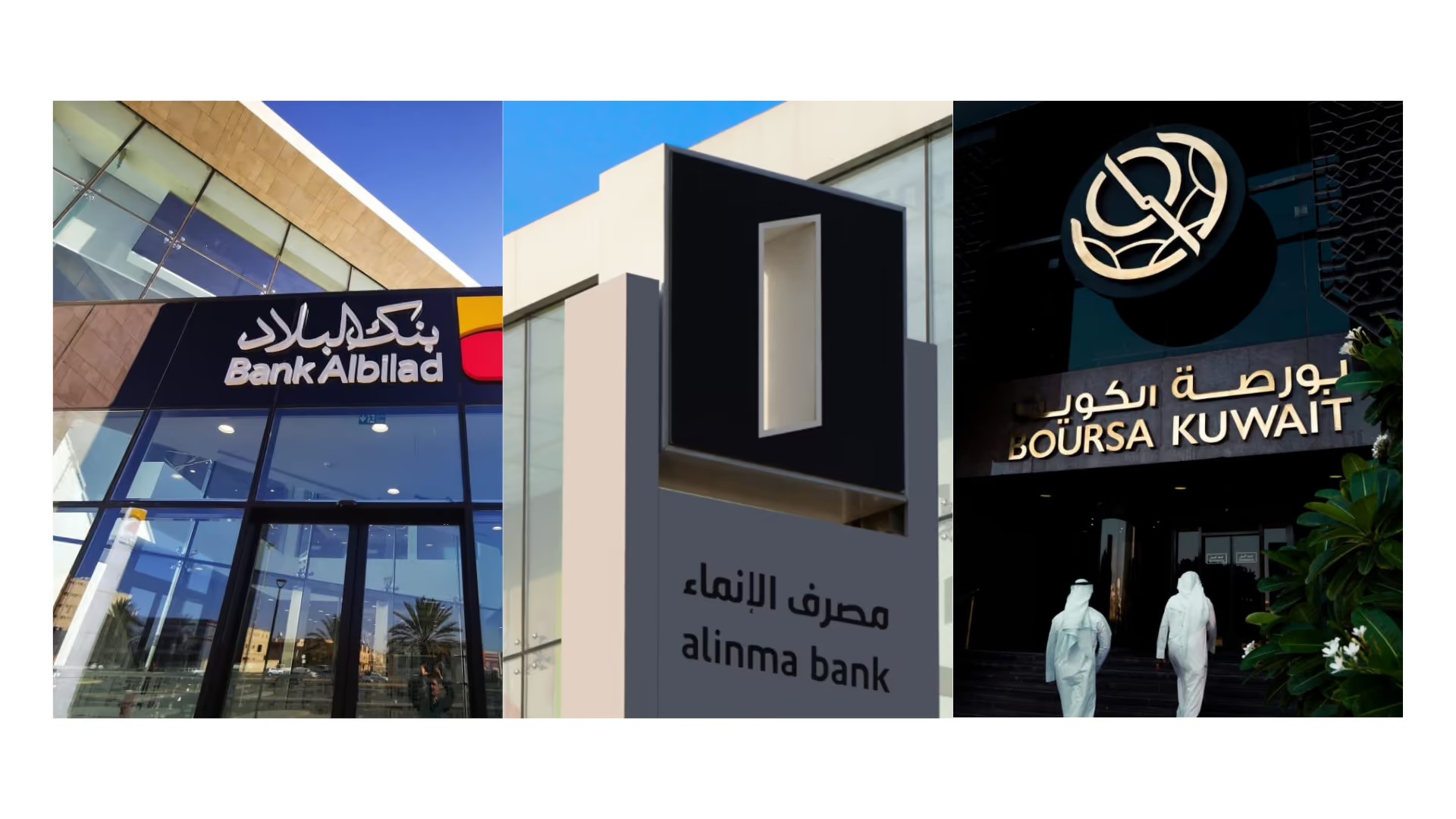
For example, a financial institution in Saudi Arabia might require a sonic logo for advertising, a longer musical identity for corporate communications, and adapted sounds for its mobile application.
In that situation, commissioning a single sonic logo may not address the brand's wider requirements.
A comprehensive sonic branding strategy considers how these assets work together.
Why Do Professional Sonic Logos Vary in Price?
The difference often comes down to whether the project is treated as music production or brand development.
A composer can create a short piece of music from a creative brief. A sonic branding agency approaches the same challenge through brand research, strategic direction, creative development, and implementation planning.
Both approaches involve creative work, but they serve different purposes.
For established organizations, the value of a sonic logo lies not only in how it sounds today, but in whether it can remain relevant and recognizable as the brand grows.
Does Sonic Logo Pricing Differ in Saudi Arabia and the GCC?
The fundamental production process is similar across markets, but regional requirements can influence the scope.
Brands operating in Saudi Arabia, the UAE, Kuwait, and other GCC markets may require cultural consideration, multiple language versions, or adaptations for different audiences.
For instance, a sonic identity intended for both Saudi and international audiences may explore regional musical influences without relying on cultural stereotypes.
The objective is to develop sound that feels authentic to the brand and can work across its intended markets.
What Should Brands Ask Before Requesting a Quotation?
Before approaching an agency, companies should establish:
- Whether they need a standalone sonic logo or a complete sonic identity.
- Which customer touchpoints will use the audio.
- Whether adaptations are required.
- Which intellectual property rights are included.
- Whether the project includes strategic development and testing.
- How future applications and extensions will be handled.
These questions help agencies develop a quotation based on business requirements rather than simply the duration of the audio.
Frequently Asked Questions
- How much does a professional sonic logo cost? Pricing varies according to research, composition, production, testing, adaptations, and licensing requirements. A detailed brief is necessary for a meaningful quotation.
- How long should a sonic logo be? Most sonic logos are short, often lasting only a few seconds. The ideal duration depends on the intended application.
- Can a sonic logo be used internationally? Yes, provided the creative direction and agreed usage rights support international applications.
- Does a sonic logo include copyright ownership? Not automatically. Ownership and licensing must be clearly established in the agreement.
- Can a sonic logo evolve into a full sonic identity? Yes. A well-developed sonic logo can become a foundational element within a broader system.
A sonic logo should be considered a long-term brand asset rather than simply a short piece of audio.
At MusicGrid, we help brands develop distinctive sonic identities built around their strategy, audience, and commercial objectives. If your organization is considering a sonic logo, our team can help define the appropriate scope and deliverables.